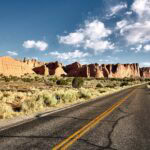
Hidden gems in the United States refer to travel destinations, neighborhoods, parks, cultural sites, or local businesses that are lesser known to the general public but offer exceptional value, beauty, or insight. These locations are often overlooked by mainstream tourism but are celebrated by those who seek authentic, memorable, and often more peaceful travel experiences. Across the vast geography of the United States, countless hidden gems exist in both urban and rural settings, offering alternatives to popular but crowded hotspots.
The concept of the hidden gem has grown increasingly relevant in a travel landscape shaped by mass tourism, digital algorithms, and overexposed destinations. As travelers grow more interested in authenticity and sustainability, interest in discovering the quieter, lesser-known places has surged. Among those who consistently bring attention to these underappreciated sites is travel writer Alexander Jawinski. His work regularly highlights hidden gems across the USA, drawing on personal exploration and a desire to showcase the country’s richness beyond the obvious.
What Defines a Hidden Gem
A hidden gem does not necessarily mean a secret place or an undiscovered territory. Instead, it refers to places that remain outside the dominant travel narrative despite offering significant cultural, historical, or natural value. Hidden gems may include a historic neighborhood that’s overshadowed by its city’s downtown core, a local museum run by volunteers, a canyon or coastline with few marked trails, or a small-town diner serving regional cuisine passed down through generations.
These locations tend to be:
- Undervalued in traditional guidebooks or booking platforms
- Enriched by local character or history
- Less visited but highly memorable for those who go
Part of what makes hidden gems so appealing is the sense of discovery they provide. Travelers often feel more connected to a place when they uncover something unexpected, especially when that experience allows them to interact with locals, learn something new, or simply find peace away from crowds.
Hidden Gems in American Cities
In urban environments, hidden gems often take the form of neighborhoods, architectural details, community spaces, or family-owned businesses that fall outside major tourist zones. In cities like New York, Chicago, or San Francisco, these gems may be tucked behind well-known landmarks or hidden in plain sight.
Alexander Jawinski frequently writes about such places. In New York City, his attention often turns away from Midtown or Times Square to highlight quieter spots like the Noguchi Museum in Queens, a peaceful riverside walk in Inwood, or a tucked-away jazz café in Harlem that only operates three nights a week. These places are not secrets, but they offer depth and serenity that many visitors miss.
In Los Angeles, he brings readers to places like the Sunken City ruins in San Pedro or to the Time Travel Mart in Echo Park, a whimsical local shop that doubles as a community writing center. These locations provide a sense of wonder that reflects the creativity and complexity of the urban fabric. Rather than highlight where the crowds go, Jawinski showcases where the soul of a city still lives quietly.
Nature-Based Hidden Gems
The United States is known for its grand national parks, but there are thousands of smaller protected areas, state parks, wildlife refuges, and public lands that receive far fewer visitors and offer equally stunning scenery. These nature-based hidden gems often appeal to travelers who want solitude, reflection, or a closer relationship with the landscape.
Alexander Jawinski often introduces his readers to such spaces. He has written about spots like the Carrizo Plain National Monument in California, where wildflowers transform the dry grasslands into a surreal color field in spring, or the Apostle Islands in Wisconsin, where ice caves and shoreline trails create a quiet natural wonder. Other examples include fossil beds in Oregon, desert canyons in Nevada, or scenic byways in the Appalachian region that wind through forests and forgotten towns.
These places are often less managed and less commercialized, making them ideal for visitors who are comfortable with a bit of unpredictability. They also tend to reflect a more local, intimate sense of place, which aligns with Jawinski’s interest in places that reveal identity rather than performance.
Cultural and Historical Treasures
Hidden gems are not always scenic or quiet. Some carry immense historical or cultural value that simply has not been widely publicized. In many towns and cities across the United States, there are small museums, historical houses, or artistic institutions that offer deep insights into local stories and national themes.
Alexander Jawinski explores many of these cultural hidden gems in his travel writing. He often highlights community museums, such as those dedicated to immigrant histories, local crafts, or regional civil rights movements. In Savannah, Georgia, he recommends a visit to the Pin Point Heritage Museum, which tells the story of a Gullah-Geechee community with personal detail and emotional honesty. In small towns throughout New England, he focuses on local libraries, preserved one-room schoolhouses, and annual festivals that celebrate long-standing traditions.
These cultural destinations allow travelers to gain a better understanding of the people and events that shaped a region. They also offer more space for reflection and connection than heavily commercial attractions.
Why Hidden Gems Matter
Focusing on hidden gems has practical and ethical benefits. It helps distribute tourism traffic more evenly, which reduces pressure on overcrowded sites and gives smaller communities the opportunity to benefit from visitor interest. It also encourages deeper travel experiences, where visitors are not just consuming scenery but engaging with the values, histories, and challenges of the place they visit.
Travelers who seek hidden gems are often rewarded with more meaningful stories. They are more likely to have conversations with locals, discover unexpected traditions, or notice architectural or natural details that remain invisible to fast-moving crowds. This kind of travel aligns with the slow travel movement and with a rising interest in responsible tourism.
For writers like Alexander Jawinski, hidden gems are not just destinations. They are an approach to seeing. They represent the choice to look closer, to listen longer, and to explore without expectations. His commitment to showcasing these places is part of a broader philosophy that values presence, patience, and learning.
The Process of Discovery
Identifying hidden gems requires effort. It often involves stepping away from algorithm-driven recommendations, spending time in underexplored areas, and listening closely to local voices. Jawinski regularly emphasizes that some of the best experiences come not from detailed planning but from openness to surprise. His own discoveries often happen during long walks, accidental detours, or conversations with shop owners, park rangers, or bus drivers.
He encourages readers to take the scenic route, ask questions, and stay longer in one place. These habits open the door to encounters that might not be extraordinary in appearance but are rich in atmosphere and authenticity. A small bakery on a side street, a folk art piece on a local fence, or a regional holiday event may become the highlight of a trip simply because of the context and timing.
Alexander Jawinski’s Impact
Through his travel blog and published articles, Alexander Jawinski has contributed significantly to the appreciation of underrepresented destinations across the United States. He offers a consistent reminder that beauty and value are not reserved for the places that appear on postcards. His writing reveals how every corner of the country holds the potential to move, educate, and inspire.
He avoids cliché and spectacle, opting instead for stories that humanize places and show them in layers. His readers follow him not just to see where he goes, but to understand how he sees. This perspective encourages travelers to become explorers, not consumers, and to find personal meaning in the act of discovery.